

Facial Plastic Surgery Simulator (580) 536-5192
Skin Secrets
Request Consultation Book Now
Menu

In-Office Physician Procedures

Lesion and Mole Removal

Most benign lesions are removed for cosmetic reasons and are not covered by insurance.

Performed By Dr. Smith

In-Office Treatment

Consultation-Led

Focused Repair Options

In-Office Physician Procedures

Start Here

In-Office Physician Procedures

Lesion and Mole Removal

Most benign lesions are removed for cosmetic reasons and are not covered by insurance.For questionable lesions, Dr. Smith may recommend a biopsy prior to definitive care.Consultation with Dr. Smith is the most accurate way to discover the best treatment for the skin lesion or lesions of concern.
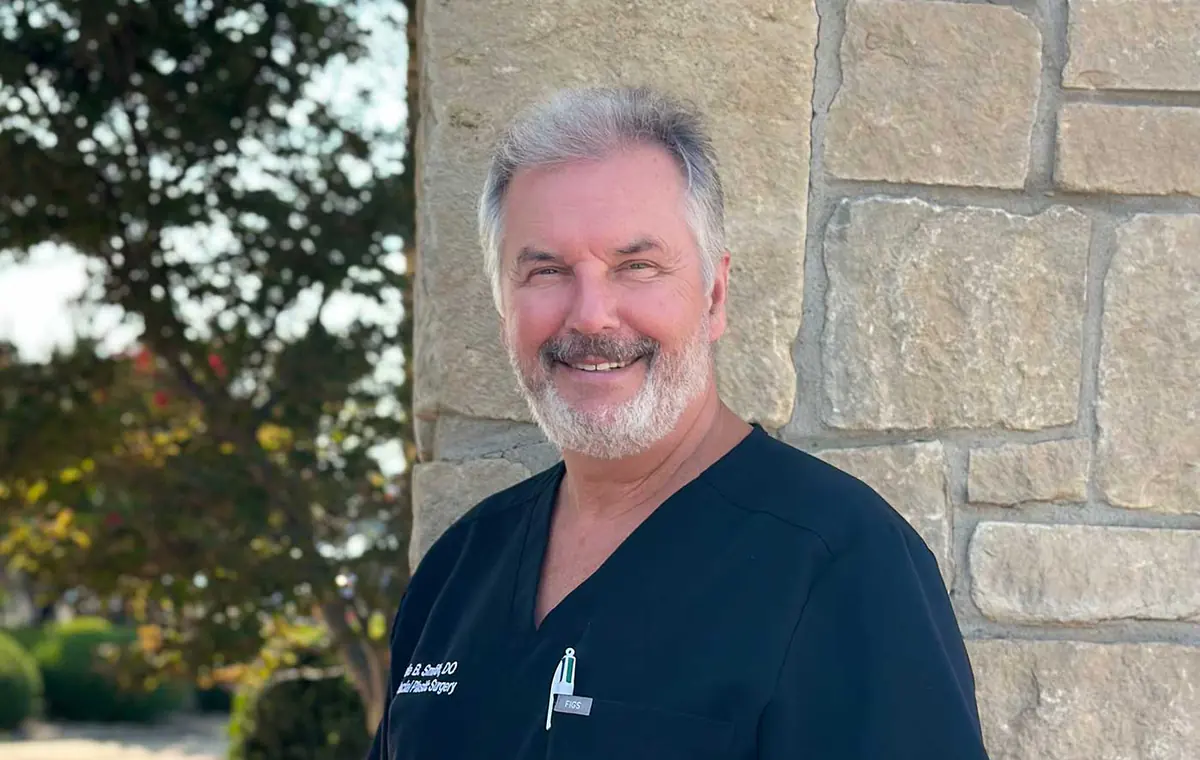
Treatment Type

In-office removal

Best For

Evaluation and removal of lesions, moles, and concerning skin changes

Care Team

Dr. Smith

In-Office Physician Procedures

Your Treatment Journey

Step 1

Start With Your Goal

Evaluation and removal of lesions, moles, and concerning skin changes

Step 2

Understand The Treatment

Most benign lesions are removed for cosmetic reasons and are not covered by insurance.

Step 3

Plan Your Next Step

Request a physician consultation with Dr. Smith to review your concerns and treatment options.

In-Office Physician Procedures

Full Treatment Details

Treatment Overview

Most benign lesions are removed for cosmetic reasons and thus are not covered by insurance. For lesions that are questionable, Dr. Smith may recommend a biopsy prior to definitive care. Many lesions such as skin tags can be removed with a laser. Other lesions are best removed with surgical excision and plastic closure for best cosmetic results. Very large lesions, such as keloids of the ear lobes, may also require further treatment such as injections to prevent recurrence. Consultation with Dr. Smith is the most accurate way to discover the best treatment for the skin lesion or lesions of concern.

Indications for lesion removal
  • Skin lesions that are cosmetically undesirable. In many cases, the best solution is excision and plastic closure.
  • Keloids of ear lobes. Most keloids, particularly of the ear lobes, require excision for complete permanent removal.
  • Skin lesions that may be premalignant. Dr. Smith may recommend a biopsy of any suspicious skin lesion. Excision can be curative and prevent development into skin cancer.
Why lesion removal as opposed to burning or freezing?
  • More effective. Complete removal of a lesion normally keeps it from recurring.
  • Eliminates chance of developing into cancer. Complete removal of a skin lesion is an effective way to prevent development into skin cancer.
  • Repeated treatments are not necessary. Complete removal generally prevents recurrence of even benign lesions.
  • Cosmetically superior results. Other methods such as burning and freezing, often done by dermatologists, can leave white spots or scars where the lesion was.
What to expect after lesion removal
  • Healing incision. The area where the lesion was removed is closed with sutures. Sutures you see will probably need removal. Sutures deeper in tissue will dissolve over time.
  • Keep the incision clean of crusting and moistened with ointment. Several times daily, crust removal with half-strength peroxide and sterile water using a Q-tip is recommended. Keep the incision moist with antibiotic ointment.
  • Minimal pain. Tylenol as needed is usually all that is needed.
  • Suture removal is generally done in 7-10 days.
What should I do next to get more information about Lesion and Mole Removal?
  • Schedule a private consultation with Dr. Smith by contacting the office or using the consultation request page.
  • Bring any specific goals, concerns, and prior treatment history so Dr. Smith can recommend the right path for you.

In-Office Physician Procedures

Request a physician consultation.

Request Consultation 580-536-5192