

Facial Plastic Surgery Simulator (580) 536-5192
Skin Secrets
Request Consultation Book Now
Menu

In-Office Physician Procedures

Dermabrasion

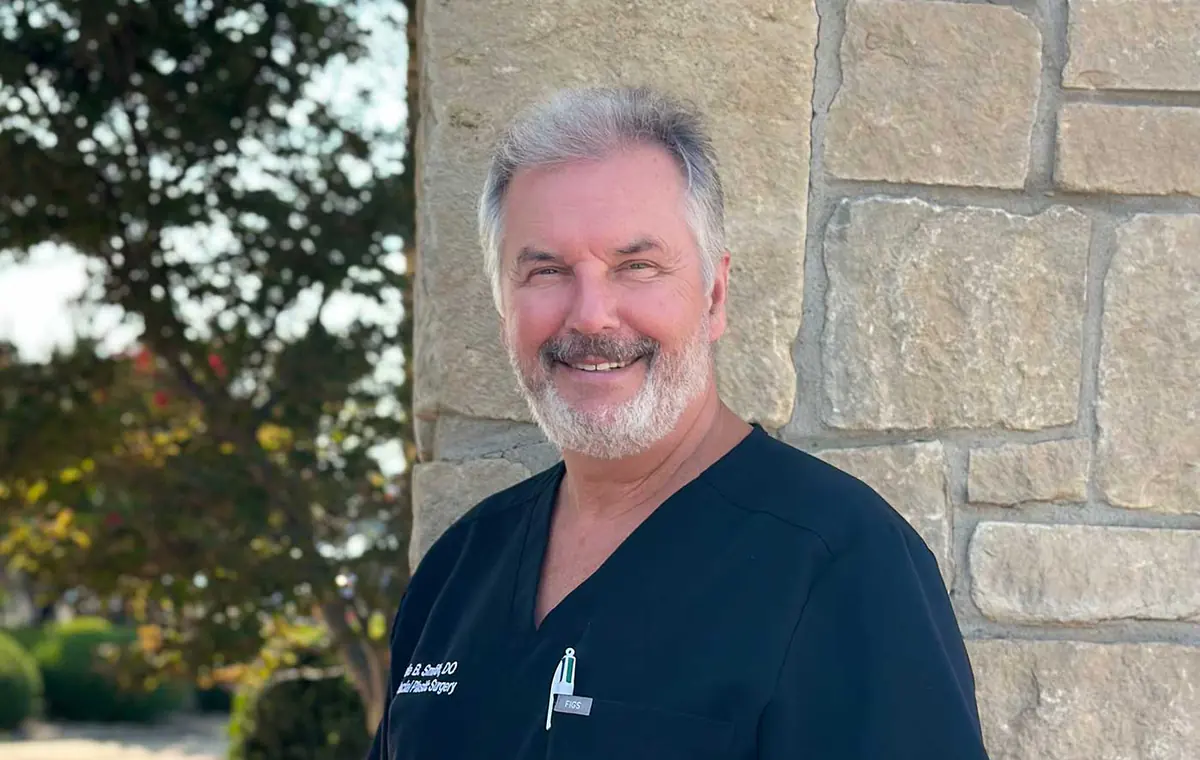
Dr. Smith personally does dermabrasion in the office.

Performed By Dr. Smith

In-Office Treatment

Consultation-Led

Focused Repair Options

In-Office Physician Procedures

Start Here

In-Office Physician Procedures

Dermabrasion

Dr. Smith personally does dermabrasion in the office.This procedure is different than microdermabrasion done by estheticians, where light peeling of the skin is done.True dermabrasion involves complete resurfacing of the skin in the area treated and is often done with CO2 laser treatment.
Treatment Type

Physician resurfacing

Best For

Facial scarring, acne scarring, and deeper resurfacing needs

Care Team

Dr. Smith

In-Office Physician Procedures

Your Treatment Journey

Step 1

Start With Your Goal

Facial scarring, acne scarring, and deeper resurfacing needs

Step 2

Understand The Treatment

Dr. Smith personally does dermabrasion in the office.

Step 3

Plan Your Next Step

Request a physician consultation with Dr. Smith to review your concerns and treatment options.

In-Office Physician Procedures

Full Treatment Details

Treatment Overview

Dr. Smith personally does dermabrasion in the office. This procedure is different than microdermabrasion done by estheticians, where light peeling of the skin is done. True dermabrasion involves complete resurfacing of the skin in the area treated. Dr. Smith will often do this in conjunction with CO2 laser treatment of the skin.

Indications for dermabrasion
  • Facial scarring, where dermabrasion can help reduce facial scarring by smoothing the scar and feathering skin edges.
  • Acne scarring, especially after active acne is controlled.
  • Rhinophyma of the nose, where dermabrasion can reduce the heavy subcutaneous tissue associated with rhinophyma.
Why dermabrasion compared to microdermabrasion or surgery?
  • Much more effective. Dermabrasion goes much deeper than microdermabrasion and gives much better results for facial scars.
  • Surgery may not be needed. For many scars, especially acne pitting, surgery is not the only or even the best approach.
  • Faster healing. Healing is usually complete in 7-10 days for treatment of scars.
  • Minimal discomfort, generally requiring only Tylenol postoperatively.
  • Pinpoint accuracy. Smoothing of the scar with feathering of the edges is more difficult to achieve with surgery alone.
  • Can be repeated easily. Touch-up treatments to fine tune results to the patient's desires are easily done.
  • Office-based nonsurgical procedure requiring only local anesthesia and no suturing.
What to expect after dermabrasion
  • Deep abrasion of the skin. Depending upon the scar treated, this may range from superficial to deeper in the skin. Aquaphor gel and/or antibiotic ointment will be recommended while healing.
  • Minimal pain. The area of treatment often looks much worse than the discomfort the patient feels. Keeping the area moist and clean along with routine Tylenol is recommended.
  • More delayed healing compared to the surrounding skin where only laser treatment was done. Redness in this area usually persists for 3-4 weeks.
What should I do next to get more information about Dermabrasion?
  • Schedule a private consultation with Dr. Smith by contacting the office or using the consultation request page.
  • Bring any specific goals, concerns, and prior treatment history so Dr. Smith can recommend the right path for you.

In-Office Physician Procedures

Request a physician consultation.

Request Consultation 580-536-5192